How Sleep Thermoregulation Works: A Practical Guide to Cooling Technologies in Bedding
An evidence-informed exploration of how our bodies regulate temperature during sleep and the cooling technologies that help cultivate a restful microclimate beneath the sheets.
Overview: Why Temperature Matters for Sleep
Human sleep is a dynamic, governed process in which the body’s core temperature drops as night progresses. This thermoregulatory rhythm is not a mere backdrop; it actively shapes sleep onset, depth, and continuity. When the body’s surface cools more efficiently, the central nervous system receives signals that promote slower brain activity and deeper restorative stages. Conversely, warmth and dampness near the skin can fragment sleep, provoke awakenings, and shorten the duration of essential sleep cycles.
Researchers describe sleep as an active balancing act between heat production and heat dissipation. The skin is one of the largest organs for heat exchange, coordinating conduction, evaporation, convection, and radiation. Bedding and room conditions—temperature, humidity, airflow—enter this equation as external levers we can adjust to support natural thermoregulation. The practical upshot is simple: for many people, a cooler microclimate at night can lead to easier sleep onset, reduced nocturnal wakefulness, and more time spent in the most restorative sleep stages.
Thermoregulation is not a single mechanism; it involves several pathways. Conduction is the direct transfer of heat between the body and a cooler surface, evaporation draws heat away through moisture loss on the skin and respiratory tract, and convection carries warm air away from the body to cooler surroundings. Phase-change materials (PCMs) add a fourth dynamic: they absorb, store, and release heat as temperatures shift, modulating surface temperature without requiring active power.
Key Terms in Bedding Thermoregulation
Conduction: direct heat transfer between skin and a cooler contact surface.
Evaporation: cooling from moisture evaporation through sweat or humid air movement.
Convection: movement of air across the skin that carries heat away.
Phase-change materials (PCMs): substances that absorb or release latent heat at specific temperatures, helping to stabilize surface temperatures.
Moisture management: fabrics and fills designed to wick moisture away from the body to maintain a cooler feel.
Thermoregulatory comfort: a subjective sense of coolness and stability that supports uninterrupted sleep.
Cooling Technologies in Bedding: What Works and Why
The modern sleep environment blends science with materials engineering to push heat away from the sleeper and toward the surrounding room. The most common categories span passive and active approaches:
Breathable fabrics and covers: fabrics with high air-permeability promote convection and evaporation, reducing surface temperature and moisture buildup. Natural fibers like linen and cotton blends often perform well in warmer climates.
Cooling foams and foams with ventilation: some foam layers incorporate open-cell structures, perforations, or phase-change components to improve airflow and heat transfer.
Phase-change materials (PCMs) in pillows, toppers, and covers: PCM-infused layers absorb excess heat during the night, then release it when temperatures fall, helping to maintain a stable surface temperature.
Cooling toppers and pads: these solutions sit atop a mattress and create a cooler microclimate through conductive cooling and enhanced airflow.
Moisture-wicking coverings: moisture management is essential for maintaining a cooler feel; fabrics that pull moisture away from the skin help the body heat to dissipate more efficiently.
Active climate control (integrated systems): some setups use fan-assisted or water-based cooling mechanisms integrated with the bed or bedding to actively move heat away from the body.
When evaluating cooling technologies, it helps to connect the mechanism to your environment. A cooler room can compensate for less aggressive cooling on the bed, while high humidity can diminish the comfort of otherwise breathable materials. The practical decision often comes down to a balance of climate, personal heat tendency, and how much you move during the night.
Categories of Cooling Bedding: A Practical Inventory
A well-rounded cooling strategy often combines elements from multiple categories. Here is a concise guide to the main categories, their typical benefits, and guiding questions to help you choose:
Cooling pillows
Temperature-regulated pillows can stabilize head and neck temperatures, which is important for spinal alignment and comfort. Look for pillows with breathable covers, phase-change layers, or cooling foams that resist heat buildup while providing support for various sleep positions.
Breathable sheets and pillow covers
Covers and sheets crafted from breathable fibers promote airflow and wick moisture. The goal is to reduce surface humidity that traps heat, enabling faster heat transfer away from the skin.
Cooling toppers and breathable mattresses
Topper layers with enhanced airflow or PCM technology can adjust the surface temperature of an existing mattress. For some sleepers, a cooling topper is a simple, non-intrusive way to improve comfort without replacing an entire bed.
Comforters and blankets with regulated warmth
Even insulating layers can be engineered to prevent overheating. Some comforters use natural fibers, light fills, or perforated constructions to deliver warmth without trapping heat.
Cooling bed bases and integrated systems
For those seeking a more comprehensive solution, adjustable bases and integrated climate-control systems can improve airflow around the mattress and bedding, contributing to a cooler sleeping surface.
How to Evaluate Cooling Bedding: A Practical Checklist
When selecting cooling bedding, consider the following practical criteria:
Room climate compatibility: match your approach to room temperature and humidity. A very cool room may benefit from lighter layers; a warmer room may require stronger moisture management and airflow.
Personal heat profile: do you run hot at night, or do you experience temperature fluctuations? Identify where you tend to feel warmth (head, torso, or legs) and address those zones first.
Breathability vs. insulation: balance the need for airflow with the desire for warmth. In mild climates, breathable layers can provide comfort without overheating.
Maintenance and durability: consider care requirements, washability, and how the materials hold up over time under nightly use.
Compatibility with existing bedding and mattress: ensure toppers, covers, and toppers align with mattress dimensions and depth for a proper fit and effective cooling.
The goal is not simply to select the coolest material; it is to create a stable, comfortable microclimate that persists across the night and through fluctuating room conditions.
Evidence and Practical References
Sleep science has accumulated a body of research on thermoregulation and sleep quality. While individual responses vary, several consistent patterns emerge:
Optimal sleep temperature typically falls between the mid-60s to around 70°F (18–21°C), though comfort ranges vary by individual and season.
Moisture management and fabric breathability are strongly linked to perceived cooling and comfort, particularly in warm climates or humid environments.
PCMs show promise for stabilizing surface temperatures, especially in top layers of bedding, without actively cooling or heating in real time.
For readers who wish to explore this topic further, consult peer-reviewed sleep science literature on thermoregulation, residential climate control, and textile engineering. Credible sources include multidisciplinary journals in sleep medicine, material science, and physiology. This article references established concepts and aims to translate them into practical guidance for everyday bedding decisions.
Practical Scenarios: Making Better Sleep Through Thermoregulation
Below are representative scenarios to illustrate how different cooling approaches can align with individual needs:
Hot sleeper in a humid climate: prioritize moisture-wicking sheets, breathable pillow covers, and a topper with good airflow or PCM layers to stabilize surface temperature.
Cool-bedroom advocate: a light, breathable comforter paired with a high-airflow sheet set can provide comfort without adding excessive warmth.
Medical or caregiving setting: focus on simple, reliable cooling surfaces that promote moisture management and stable temperatures while maintaining ease of care and sanitation.
Brand-Agnostic Principles, Not Products
This guide emphasizes principles and evidence-based considerations rather than endorsing specific products. When evaluating options, look for materials with demonstrable airflow, moisture management features, and, where relevant, phase-change properties. The aim is to empower readers to select bedding configurations that support consistent, cool, and comfortable sleep.
Closing Thoughts: Toward a Cooler, Calmer Night
Sleep is a biological imperative, yet the quality of rest is closely tied to the environment as much as to personal habits. By understanding how body temperature interacts with sleep and by choosing cooling technologies that align with climate, room conditions, and personal comfort, readers can cultivate a more predictable and restorative sleep experience.
The science of thermoregulation invites a thoughtful approach: begin with room temperature and humidity, move to bedding fabrics and covers, and then layer in engineered cooling technologies as needed. The result is not merely a cooler night, but a more stable and healthful sleep pattern that supports daily vitality over time.
Selected Products This Site
The following items align with cooling, breathable design, and temperature regulation. They are presented here for readers who wish to explore concrete examples available through this site:
Dream Max with QuickCool Cover
Hybrid foam-and-spring system with QuickCool Cover and seven-zone Zoned Support Max for spine alignment. Instantly cool-to-the-touch surface and breathable foams for overall airflow.
Price: 2870.00
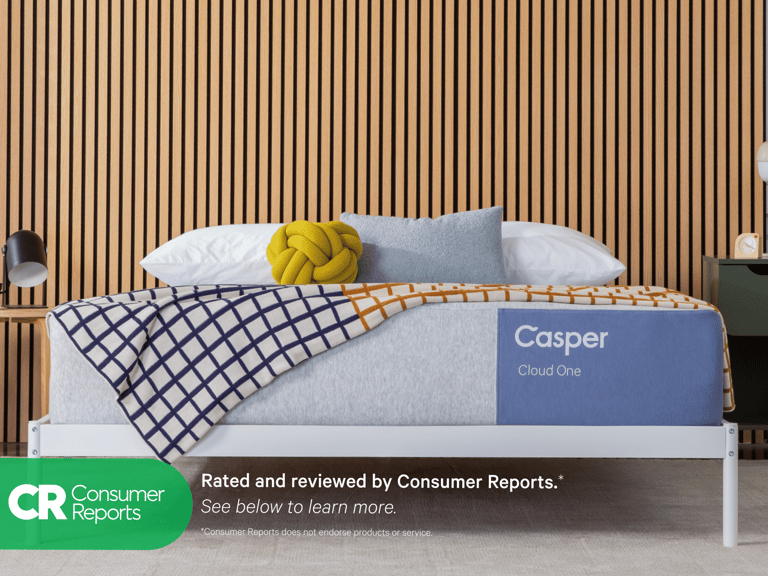
Cloud One
Three layers of comforting foam with Casper Core+ technology, wrapped in a breathable Cozy Cover for plush yet breathable support.
Price: 1124.00
Note: Product details reflect available information and are provided for reader reference. Availability and specifications may vary by region.
Further Reading and References
For readers seeking deeper dives, consider peer-reviewed literature on sleep thermoregulation, textile engineering for moisture management, and consumer reports on cooling bedding technologies. The goal remains to connect empirical findings with practical, everyday decisions that improve sleep quality.
Sleep cooler and truer to your spine with seven-zone Zoned Support Max, plus a QuickCool cover that feels instantly cool. Hybrid foam-and-spring comfort that reduces motion, boosts airflow, and hugs you to dreamier nights.
Experience plush, responsive comfort with targeted support and cool, breathable sleep. The three-layer foam cradles you, relieves pressure, and stays durable round after night for long-lasting, effortless comfort.
Sleep cooler all night with lightweight, breathable fill and a soft TENCEL shell. Sewn-in chambers keep the fill even, while eight alignment loops prevent shifting, for smooth, uninterrupted comfort.