Sleep temperature · Bedding science
Merino Wool Comforters: How Sleep and Beyond’s Lightweight Design Manages Moisture
A comforter does more than add warmth. Its fibers, fill weight, and outer fabric all influence the small climate around a sleeper. Merino wool offers a distinctive way to manage that climate: absorbing moisture, allowing air to move, and providing insulation without relying on a heavy layer.
Published November 10, 2026
During sleep, a bed becomes its own miniature environment. Warmth gathers beneath the covers, moisture leaves the skin, and bedding either helps that moisture disperse or holds it close. The room matters, too: temperature, humidity, airflow, mattress materials, and the number of blankets all shape how the night feels. That is why a comforter described as “cooling” is not necessarily cold, and why a breathable comforter cannot promise the same experience for every sleeper.
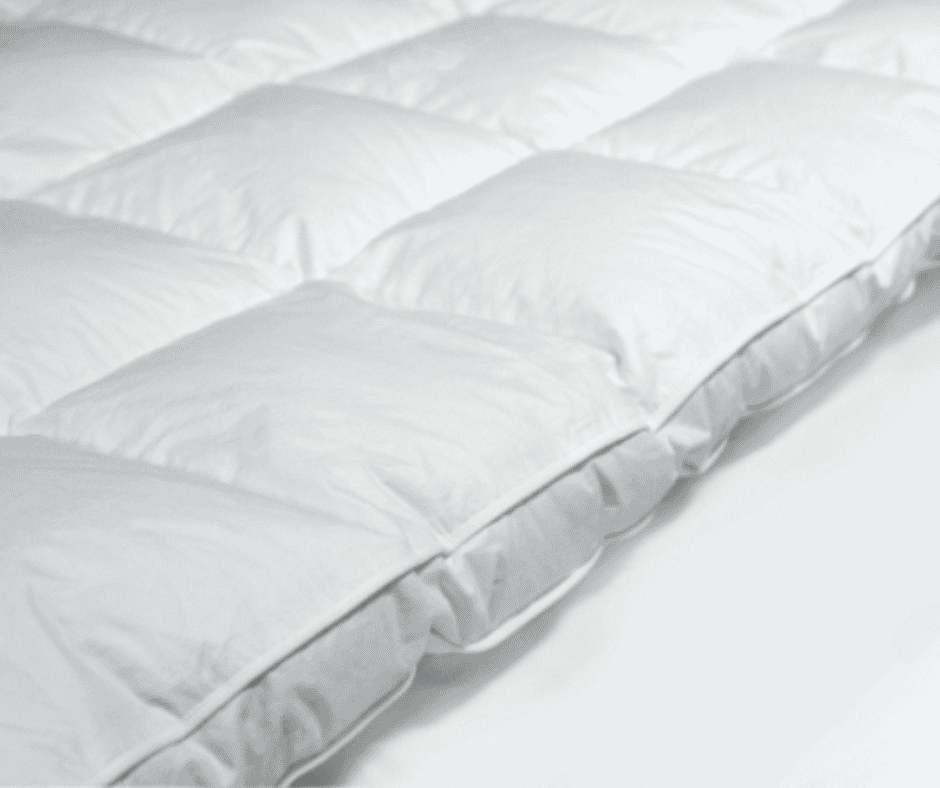
Merino wool is often chosen for its ability to balance insulation and moisture management. A lightweight merino wool comforter offers a useful starting point for understanding the difference between warmth and weight. Sleep and Beyond’s myMerino Wool Comforter Light, for example, is described as a three-season design with superfine merino wool fill and an organic cotton sateen shell. Its construction illustrates how fiber, fill amount, and fabric work together—not as a temperature control system, but as parts of a bed’s sleep climate.
This guide looks at what wool can do, what it cannot do, and how to assess a lightweight wool comforter for your room and sleeping habits. The focus is on practical comparison: fill weight, shell fabric, care, layering, and seasonal use.
The sleep climate beneath the covers
The body continually exchanges heat with its surroundings. During the night, skin temperature and core temperature shift as part of the body’s daily rhythms. Bedding influences the immediate layer of air and fabric around the sleeper, affecting how readily warmth and water vapor move away from the body. The goal is not to make the bed cold; it is to avoid an uncomfortable buildup of heat and dampness.
People often describe waking hot as a single problem, but several factors may be involved. A warm bedroom can limit heat loss. A dense mattress or close-fitting bedding may retain warmth. A thick comforter may provide more insulation than the sleeper needs. Humidity can also affect how quickly moisture evaporates from skin and fabric. Personal differences—including sleepwear, activity, and preference—add more variation.
In this setting, “moisture management” does not mean a comforter removes sweat from the body or keeps a sleeper dry under every condition. It refers to how materials take up and release moisture and how the construction supports air exchange. The cover, the fill, the spaces between layers, and the room environment all contribute.
A well-chosen comforter is therefore one part of a system. It cannot compensate for every room condition, and it does not set a fixed sleeping temperature. Instead, the right combination of layers can help create a more comfortable balance for a particular person and bedroom.
Why merino wool behaves differently
Merino wool comes from Merino sheep and is known for its fine fibers. In bedding, wool’s appeal is not simply that it feels warm. Its fibers can take up water vapor while still feeling relatively dry to the touch, and wool fill can provide insulation without needing to form a dense, solid layer. How much a particular comforter absorbs or ventilates depends on its fiber, construction, cover, and care—not just the word “wool” on a label.
That moisture interaction can matter when a sleeper’s body releases heat and water vapor beneath the covers. A wool-filled layer may help moderate the feel of the bedding by taking up some moisture and releasing it as surrounding conditions change. It is not a substitute for ventilation, and it does not make a humid or overheated room disappear. Rather, it can contribute to a less clammy-feeling sleep environment when paired with suitable layers and room conditions.
Wool’s insulation can also be useful across changing temperatures. Insulation slows the movement of heat; it does not generate cold. A comforter that feels comfortable in a temperate room might feel too warm in a hot, humid room, or too light in a chilly one. Fiber behavior is only part of the story. The amount of fill determines how much insulation is present, while quilting and shell fabric influence how that fill is distributed and how air moves through the bedding.
These distinctions help explain why wool is not automatically the best choice for everyone who sleeps hot. Someone who prefers a very cool, uncovered sleep surface may want a lighter layer still, or may need to address room temperature and airflow first. Another sleeper might appreciate wool’s combination of modest insulation and moisture absorption, especially when nights vary from cool to mild.
What “lightweight” means in practice
Fill weight describes the amount of insulating material in a comforter. It is different from total product weight, which also includes the shell and construction. The Sleep and Beyond myMerino Wool Comforter Light lists a wool fill of 6 ounces per square yard. That specification offers a more useful point of comparison than a broad “light” or “all-season” label, though it does not reveal exactly how warm the comforter will feel in every room.
Compared with a heavier wool comforter, a lighter fill generally means less insulating material over the body. For a warm sleeper or a bedroom that stays temperate, that may help reduce the sense of being bundled in excess warmth. For a cold sleeper, a drafty room, or winter nights without effective heating, the same lighter construction may not provide enough coverage on its own.
Fill weight also interacts with the size and design of the comforter. Stitching can help keep fill distributed rather than allowing it to shift into clumps or thin patches. Sleep and Beyond describes an exclusive quilting pattern intended to prevent the wool batting from shifting. Even distribution supports a more consistent feel across the surface; it does not mean each area will have identical warmth under every sleeping position.
When comparing wool comforters, look for specific details rather than relying on a name. Useful questions include: What kind of wool is used? What is the fill weight? What material forms the shell? How is the fill held in place? Is the product intended for a particular season or temperature range? These answers make it easier to compare products and to anticipate whether an added blanket may be needed.
The role of the cotton shell
Fill receives much of the attention, but the shell is in direct contact with surrounding air and bedding layers. Sleep and Beyond’s lightweight merino comforter is described as having a 400-thread-count organic cotton sateen shell. Cotton sateen has a smooth hand and a woven structure; its feel and airflow will depend on the particular fabric and its construction.
A shell should be considered together with the fill rather than treated as a separate guarantee of cool sleep. A breathable fill inside a tightly constructed or heavily layered setup may not feel as airy as expected. Conversely, a light cover can help a sleeper use a comforter as part of a more adjustable arrangement. A removable duvet cover may protect the comforter and make routine bedding care simpler, but the extra layer also changes the bed’s overall feel.
Layering is especially important for temperature regulation. A sleeper may use a sheet and a lightweight comforter in a mild room, then add a blanket when the weather turns cooler. Keeping layers separate makes it easier to adjust than relying on a single heavy comforter throughout the year. The ideal arrangement is the one that can be changed in response to room conditions and personal comfort.
Choosing a season and setting
A three-season description suggests flexibility, not a universal calendar. A lightweight merino comforter might suit spring, summer, and fall in one home, while a person in a warmer climate could use it through much of the year. In a cold bedroom, it may be more comfortable as a layer beneath another blanket or as a lighter option for someone who sleeps warm.
Consider the full sleep setup before deciding:
- Room conditions: Note whether the bedroom is consistently warm, cool, humid, or subject to large overnight temperature changes.
- Personal warmth: Think about whether you tend to uncover yourself, wake damp, or feel chilled during the night. Repeated patterns can be more informative than a single night.
- Other layers: Sheets, duvet covers, sleepwear, mattress protectors, and blankets all influence the feel of the bed.
- Seasonal flexibility: Decide whether you want one comforter for variable conditions or separate bedding for warm and cold seasons.
- Care expectations: Check cleaning instructions and whether a duvet cover is recommended before purchasing or changing your bedding routine.
These considerations also clarify the difference between a lightweight comforter and a cooling device. A comforter manages insulation and moisture through its materials and design. It does not actively chill the mattress, circulate conditioned air, or regulate the bedroom like mechanical equipment. If the room itself is too warm, adjusting the environment may be more effective than changing the fill alone.
Care and longevity
Care instructions are part of a comforter’s practical performance. Wool fill and cotton shells require thoughtful handling, and care methods should follow the manufacturer’s guidance. Sleep and Beyond recommends protecting its comforter with a removable duvet cover, which can reduce the need to clean the comforter itself. The stated guidance also includes spot-cleaning the cotton cover with a soft brush and mild detergent, allowing it to dry fully, and using eco-friendly dry cleaning for major stains that pass through the cover.
The manufacturer also recommends airing and sunning the comforter. Before doing so, check the product’s current instructions and choose conditions that will not expose the bedding to excessive moisture or prolonged harsh sunlight. Regular airing can refresh bedding, but it does not replace appropriate cleaning when the item is soiled.
A duvet cover adds a washable layer between the comforter and the sleeper. That can be especially helpful for keeping a wool-filled item in regular use without frequent cleaning. The cover itself has its own fabric and weave, however, so it may alter the comforter’s surface feel and airflow. If temperature comfort is the priority, consider the cover as part of the complete bedding combination.
Always confirm the latest care label before washing, drying, or treating a stain. Improper cleaning can affect natural fibers, stitching, and loft. Following the specified method helps preserve the structure that keeps fill distributed and makes the comforter comfortable over time.
A practical comparison checklist
When assessing merino wool bedding, compare construction rather than relying on marketing phrases. A simple checklist can make the choice more grounded:
- Identify the fill: Confirm whether the comforter uses merino wool or another wool type, and look for a clear description of its composition.
- Compare fill weight: A stated amount, such as 6 ounces per square yard, helps distinguish lightweight from more substantial designs.
- Read the shell details: Check the fabric fiber, weave, and any stated certifications. These details contribute to feel, care, and breathability.
- Examine construction: Quilting or other compartmentalization can help keep fill in place and distribute insulation more evenly.
- Match warmth to the room: Think about average nighttime conditions and whether you can add or remove layers easily.
- Check maintenance requirements: Make sure the care routine suits your household and that protective covers are compatible with the bedding.
This checklist is useful beyond wool. Cotton, down, and synthetic fills each have different characteristics, and no one material automatically produces the right sleep temperature. Product comparisons are most helpful when they distinguish documented construction details from broad performance claims.
What a lightweight wool comforter can—and cannot—do
A lightweight merino wool comforter can provide a moderate layer of insulation while offering wool’s moisture-absorbing properties. Its feel depends on how much fill it contains, how the fill is distributed, the shell and duvet cover, and the sleeper’s environment. For some people, this combination may feel more balanced than a heavier comforter, particularly when nights are mild or the sleeper tends to feel warm.
It cannot guarantee a cool night, prevent sweating, or correct an overheated bedroom. “Breathable” does not mean heat-proof; “moisture managing” does not mean moisture disappears. Those terms describe material characteristics that work within a broader sleep environment. If discomfort is frequent or severe, consider the room, bedding layers, and other relevant factors rather than expecting a single comforter to solve everything.
The Sleep and Beyond myMerino Wool Comforter Light is one example of how to evaluate those details: superfine merino wool fill, a stated 6-ounce-per-square-yard fill weight, an organic cotton sateen shell, and quilting designed to limit shifting. Those specifications give readers a concrete basis for thinking about lightweight warmth and care. They are not a substitute for trying to understand how a particular bed behaves in a particular room.
Building a more balanced bed
When a bed feels too warm, begin with simple observations. Is the bedroom warm before bedtime? Does the discomfort happen only under a heavy duvet? Does it change when the cover is removed or the window is opened? A few nights of noting room conditions and bedding layers can help identify patterns. Adjusting one factor at a time makes it easier to see what matters.
For a more adaptable setup, use layers that can be separated: a sheet, a lighter comforter, and an optional blanket for colder nights. Keep the bedroom’s temperature and humidity in mind, and allow air to move through the room where practical. Choose sleepwear and covers that feel comfortable against the skin. A wool comforter can then function as one component in a deliberate system rather than a stand-alone promise of perfect temperature.
Sleep is shaped by physiology, habit, and surroundings. Bedding cannot control all three, but thoughtful material choices can make the bed’s immediate climate easier to live with. Merino wool’s combination of insulation and moisture uptake gives it a distinctive role; a lightweight design may make that role more suitable for temperate conditions and sleepers who prefer less bulk. The best measure remains personal comfort across ordinary nights—not a label, a single specification, or the idea that one fiber works identically for everyone.
Frequently asked questions
Does merino wool make a comforter cool?
Not in the way an active cooling system does. Merino wool can absorb moisture vapor and provide insulation, helping contribute to a more balanced feel. The comforter may still feel warm, especially in a hot room or when used with multiple bedding layers.
Is a lightweight wool comforter suitable for summer?
It may suit summer in a temperate room or for a sleeper who prefers some coverage. Suitability depends on humidity, room temperature, personal warmth, and the other layers on the bed. A lightweight comforter may be too warm for some sleepers during hot weather.
What does fill weight tell me?
Fill weight indicates how much filling is used relative to the comforter’s area. It helps with comparison, but does not alone determine warmth. Construction, shell fabric, size, and room conditions also matter.
How should a wool comforter be cleaned?
Follow the specific care label. For the Sleep and Beyond lightweight merino comforter, the provided guidance recommends a duvet cover, spot-cleaning minor stains, and professional dry cleaning for major stains that reach the comforter. Confirm current instructions before cleaning.